


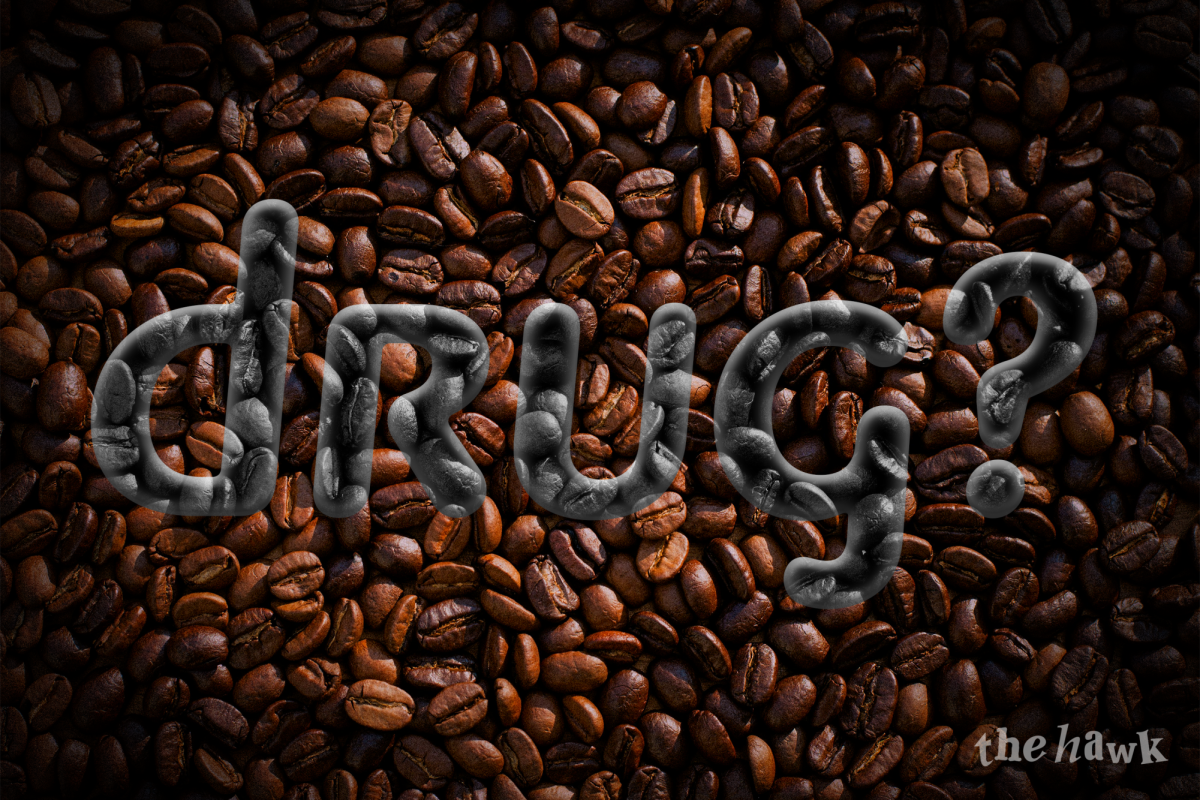
Caffeine is a stimulant that is a component in many popular drinks on the market. Consuming these drinks to increase alertness, improve their mood or to get a boost right before a physical activity may seem like second nature. But, the drawbacks of caffeine consumption are often not brought up. The hidden health information behind popular drinks that contain caffeine may prove to be incredibly assuring or alarming.
One of the most prominent ways that teens consume caffeine these days is through energy drinks. The U.S. Food and Drug Administration defines energy drinks as “a class of products in liquid form that typically contains caffeine, with or without added ingredients.” They are quick and convenient, and often provide consumers the jolt that is needed to get through the day. But, there may be a dark side to these drinks that the general population can be unaware of. Research has proven that energy drinks can disrupt normal heart function, elevate blood pressure and cause abnormal electrical activity in the heart — changes that may raise the risk of potentially life-threatening issues (according to Harvard Health Publishing). Many energy drinks also contain significant amounts of added sugar, with one Monster Energy drink accounting for 47 grams, which is approximately what the daily intake of added sugars should be (according to the Mayo Clinic Health System).
On the other hand, energy drinks have some redeeming qualities that make them worth consuming, albeit in moderation. While these benefits vary from person to person, some include improved reaction time, lessened effects of sleep deprivation and a heightened ability to concentrate (according to the Mayo Clinic Health System). These benefits may especially aid students, as homework and other commitments in their lives may inhibit sleep, making these drinks an alternative to being exhausted.
Another popular drink worth mentioning includes coffee, which comes in many different forms alongside various add-ons. Whether someone has a cup of coffee as a part of their morning routine, or a couple shots of espresso as an afternoon pick-me-up, some people may not stop to realize what kind of effects this drink is having on the body. Caffeine is often at the forefront of people’s minds when they think about coffee, but the beverage also contains antioxidants, among other ingredients, that may reduce internal inflammation (according to Johns Hopkins Medicine). Coffee, in small doses, may also help with depression because the caffeine in coffee stimulates dopamine, which is the chemical in the brain tasked with motivation and mood (according to the American Medical Association).
However, drinking coffee, especially in excess, can not be all as harmless as it seems. One of the most common concerns about coffee is withdrawals. If people drink coffee all of the time, they may start to feel like they require it to function, causing symptoms like headaches, nervousness and fatigue. This dependence can prove to be increasingly dangerous the longer someone has it, with long term symptoms including high blood pressure and palpitations (according to the American Medical Association).
In my opinion, having consumed both energy drinks and coffee, I can confidently say that having each drink in sparing amounts is the way to go. I find that when I have more than one energy drink a day, I may start to feel shaky or develop the symptoms aforementioned. With coffee, I have found that in the past I almost felt like I needed it, to the point where I would get headaches and feel groggy if I didn’t have a couple cups. These drinks are not harmful if you drink the amount that is safe for the body, and track how much caffeine you consume during the day to prevent the risk of going over that safe limit.